
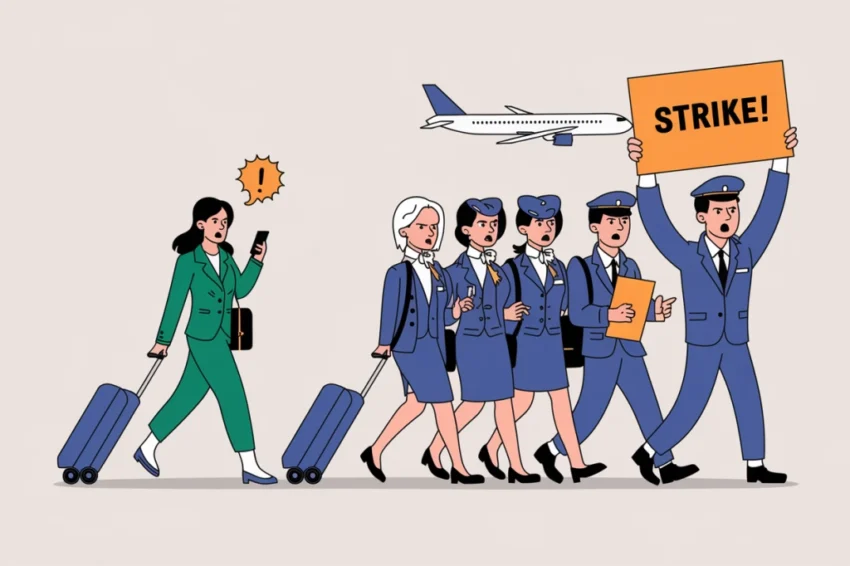
When Martha Rhine purchased a business-class ticket from Hartford, Conn., to Dublin for $7,155 with Aer Lingus, she thought she was well-prepared for her trip. However, her plans were threatened when a pilot strike loomed. Faced with this situation, Aer Lingus reached out to her with three options, one of which was a full refund. Choosing the refund, Martha anticipated a prompt resolution.
To her dismay, Aer Lingus refunded her $6,096 but withheld $1,058, citing that business-class tickets are only eligible for an 85% refund. Frustrated by this response, Martha attempted various means to reclaim her money. She filed multiple claims, made numerous calls, and even sent a registered letter to the CEO, yet received no reply.
According to EU Regulation 261, passengers are entitled to a full refund if their flight is canceled due to a strike, meaning Aer Lingus’ 85% refund policy was likely against the regulation. The airline’s failure to respond to Martha’s requests constituted a serious breach of consumer trust and highlights a need for clarity in their customer service processes.
It seems possible that the airline misinterpreted the claim, believing it was related to reasons other than the strike, leading to the misunderstanding about the refund percentage. Despite her persistence in seeking a resolution, Martha was advised that for cases where companies dig in, escalating the issue to regulatory bodies like the U.S. Department of Transportation or the Irish Aviation Authority might be necessary.
Eventually, after intervention from an advocacy organization, Aer Lingus acknowledged their error. They apologized for the delay and confirmed that the remaining balance had been processed as a priority.
For anyone facing similar challenges, it’s crucial to document all correspondence and explore various avenues for resolution, including contacting executives directly through advocacy channels.