
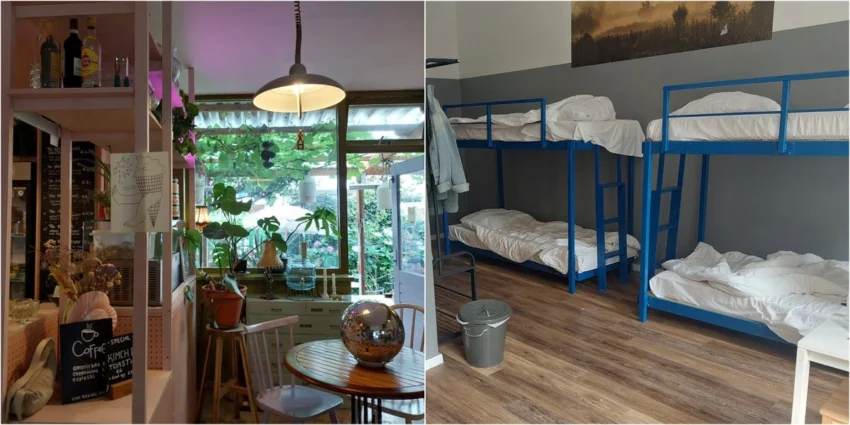
Hostels are my preferred option when I’m traveling alone.
I’ve never stayed in a hotel or an Airbnb by myself. I’ll reserve a bed in a hostel dorm instead.
I’ve stayed in at least 20 hostels in nine different countries: Austria, Costa Rica, France, Germany, Iceland, the Netherlands, Northern Ireland, Scotland, and the US.
Here’s why they’re my accommodation of choice.
Hostels are usually the cheapest option for accommodation. I’ve paid less than $15 a night for last-minute hostels in Costa Rica — one of which even had a pool — about $40 to stay at one in Rotterdam, the Netherlands, and about $180 for three nights in Paris.
This is much less than I’d pay for a hotel — especially given the central locations of some of the hostels I’ve stayed in.
Related stories
I stayed at one in Reykjavík, Iceland, located on the city’s main shopping street, and one in Hamburg and Munich, Germany, just a couple of minutes walk from the main train station.
And as a solo traveler, I wouldn’t have anyone to split the Airbnb or hotel cost with. In a hostel, I just pay for my one bed.
Hostels have a bad reputation, and often it’s not deserved. Yes, I’ve stayed in rooms with people who’ve snored, hogged the bathroom, crawled in late from a club, or set their alarm for the crack of dawn to catch a flight. But if you have earbuds and an eye mask, it’s not that bad. Hostels increasingly have been installing individual curtains round each bed, too, so that you can block off the noise and light at night.
You usually have to make your own bed and strip off the bedding when you leave. But this is a quick task and is one of the ways that hostels keep prices low.
Hostel dorms are generally cleaned every day. You usually have a shelf by your bed with an individual light and plug socket, and almost all hostels have lockers in the rooms.
Dorms aren’t always perfect, though. At one hostel, I found a dental retainer under my bed. At another, in Salzburg, people in my dorm placed their damp socks on the radiator to dry after a day of walking in the snow, leaving the room stinking. And at one in Paris, the hostel bar below played loud music into the early hours.
Hostels often provide many of the facilities you need. Almost all of the hostels I’ve stayed in have had kitchens, meaning you can save money on breakfast or coffee. This is a real standout compared to hotels, where you generally have no choice but to buy breakfast from either the hotel or a bakery.
Usually, there’s enough kitchen space to make a full meal. This can really help you save money on meals while traveling.
And if you don’t fancy cooking, some hostels offer cheap breakfasts, too.
In some cases, they’re free.
Hostels usually have laundry facilities you can pay to use, vending machines for snacks, and a lounge area for reading or socializing with other guests. Many even have a bar.
You might not make lifelong friends at a hostel, but you’ll often find people to chat with while you have your breakfast or make a coffee. Hostels attract people from all over the world, and many are the extroverted type, meaning that conversations are plentiful and varied.
You can also get recommendations for the city you’re visiting from other guests.
Some hostels not only provide a place to stay but also host social activities or assist with booking local excursions. An example is a hostel in Salzburg, Austria, where they show “The Sound of Music” every night in the lounge. Other hostels may offer free city tours, board games nights, and communal meals. When I stayed in a hostel in Belfast, they even offered discounts for tours to the Giant’s Causeway.
Unlike many Airbnbs, hostels commonly allow guests to leave their luggage on the premises even after checking out, usually at no additional cost. This convenience means that you can enjoy your last day in the city unencumbered by your bags before heading to your next destination.
Axel Springer, the parent company of Insider Inc., is an investor in Airbnb.
Read next