
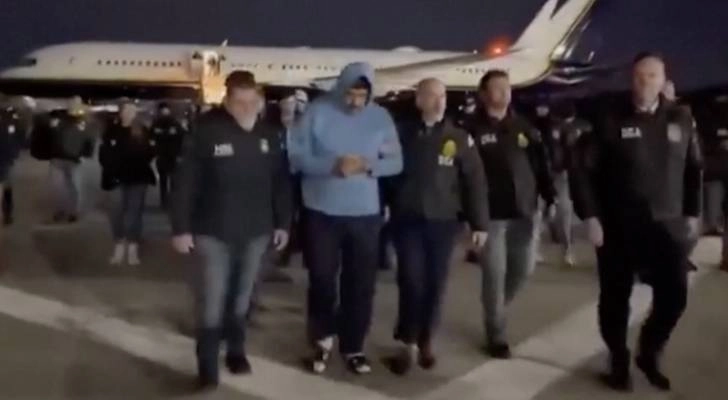
When American special forces successfully extracted Venezuelan leader Nicolás Maduro from Venezuela on January 3, the U.S. Federal Aviation Administration closed airspace in parts of the Caribbean. This led to significant flight delays and cancellations, leaving many travelers stranded. A shock to many of them was discovering that their travel insurance did not cover the disruptions they faced.
This incident has highlighted ongoing concerns over the reliability of travel insurance, particularly in the context of geopolitical instability. With tensions rising globally—including discussions about possible military actions against countries like Colombia, Cuba, and Greenland—travel markets have become increasingly unsettled. Travelers might find themselves in challenging situations that could result in substantial costs for flights or accommodations.
Experts caution that standard travel insurance may not cover several critical situations, such as civil commotion, military actions, or acts of war. Coverage usually has exclusions for destinations with a Level 4 travel advisory issued by the U.S. Department of State, which indicates life-threatening risks. Travelers may also encounter financial challenges if they need to evacuate or if political situations force them to stay longer than intended.
Additionally, travel insurance typically excludes coverage for high-risk activities like certain sports and requires specific riders for participation in extreme sports. If travelers rely on airlines for compensation due to delays, they may find it complicated as recent regulations may not guarantee rebooking on a new flight without additional fees.
Although many travelers neglect to purchase insurance, it can be advantageous in safeguarding their finances, especially during international trips. Typically, travel insurance policies cover trip cancellations, interruptions, baggage loss, and medical emergencies.
To ensure adequate coverage, travelers should thoroughly review policy definitions and exclusions, particularly around terms like "government action" and "unforeseen events." Different insurers have varying definitions for risks, which means consumers must carefully compare policies, especially for travel to politically unstable regions.
Options for extra protection include political evacuation coverage or Cancel For Any Reason (CFAR) policies, which allow partial recovery of costs in instances of cancellation or early trip termination. Even with these additional coverages, travelers should remain aware that they only recoup a portion of their total trip costs.
The U.S. State Department’s Bureau of Consular Affairs offers valuable, destination-specific risk information, allowing travelers to make more informed decisions before departing. Whenever unsure about the right coverage, consulting a travel agent can also elucidate the nuances of exclusion clauses and available riders.