
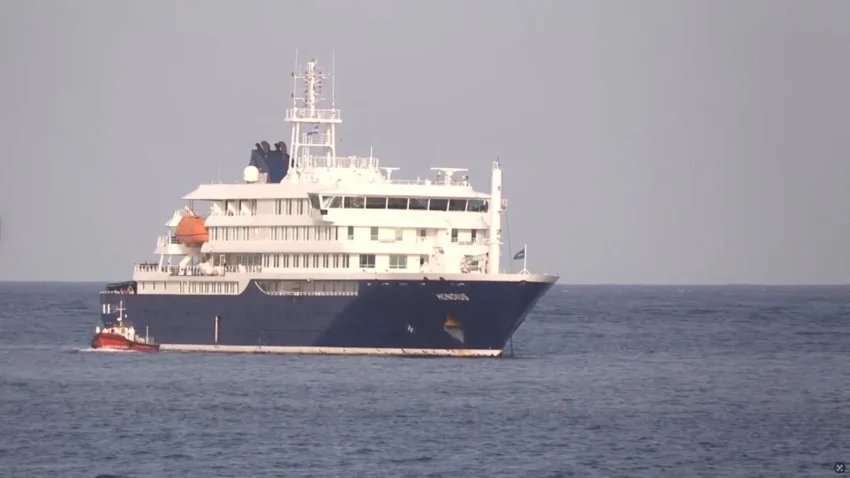
A rare outbreak of hantavirus linked to a cruise ship is raising concerns about travel safety ahead of the 2026 FIFA World Cup. As millions prepare to travel for this global event, the Andes strain of the virus, which is known to be transmissible between humans, has heightened public fear.
As of May 7, the outbreak has resulted in eight reported cases, three of which were fatal. The cases were tied to a cruise ship that departed from Argentina on April 1, 2026, with 149 passengers onboard. Health officials are monitoring residents in at least three U.S. states for potential infections after returning from the trip.
The upcoming World Cup, which will be held across the U.S., Canada, and Mexico, is expected to draw around 6.5 million attendees, raising concerns about the risk of disease transmission among large crowds. The World Health Organization (WHO) has assessed the risk to the general population as low and has not recommended travel restrictions at this time.
Hantaviruses are generally spread through contact with rodent droppings, urine, or saliva, and while human-to-human transmission of the Andes strain is possible, it requires close contact. Symptoms of hantavirus can resemble flu-like conditions, and severity varies by type, with Hantavirus Pulmonary Syndrome (HPS) being particularly serious.
While health officials emphasize that the outbreak remains contained, there’s heightened public concern due to the nature of large international events. Experts encourage vigilance and awareness among travelers, advising them to avoid environments where rodent exposure is likely.
For additional information about hantavirus, its transmission, and its implications for safe travel during the World Cup, refer to the CDC guidelines.