
The U.S. Department of State has recently updated its travel advisories, specifically increasing the travel warning for Rwanda, a country known for its exceptionally low crime rate and beautiful landscapes. This escalation comes despite Rwanda’s reputation as the "Land of a Thousand Hills" and one of the safest nations in Africa.
The latest advisory has introduced a new "crime" risk indicator to its Level 2 travel advisory for Rwanda, urging travelers to "exercise increased caution" due to concerns over petty crime such as pickpocketing and purse snatching, as well as more serious issues like mugging and armed robbery. The advisory has also pointed out areas near Rwanda’s borders with the Democratic Republic of the Congo that are susceptible to unrest and violence, particularly in the Musanze, Rubavu, and Rusizi districts.
Despite these warnings, Rwanda continues to boast a low crime index, rated at 26.9, making it the country with the lowest crime rate in Africa according to Numbeo’s 2025 data. Additionally, the Gallup Global Safety Report 2025 indicates that 78% of residents feel safe walking alone at night, providing a higher safety perception than countries like the U.K. and the U.S.
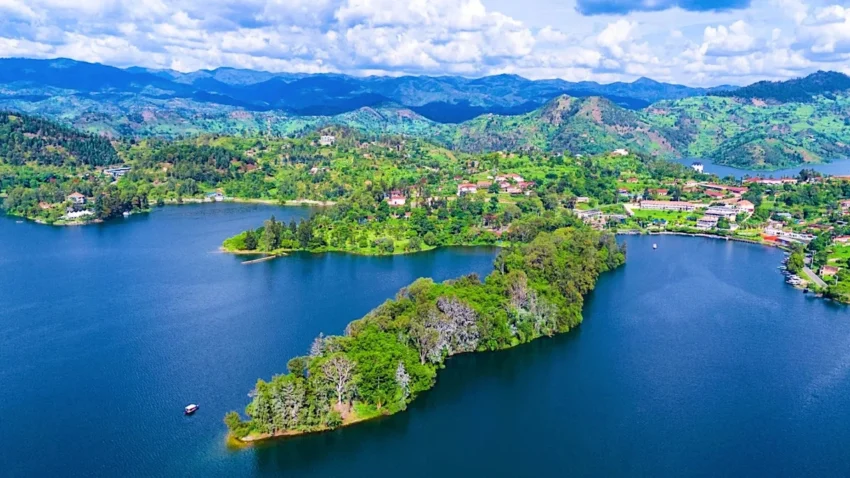
Rwanda’s picturesque landscape, characterized by rolling hills and rich biodiversity, is a significant draw for visitors. The country’s geography includes Volcanoes National Park, five main volcanoes, and the Great Lakes. Tourism activities, including gorilla trekking, require permits and attract many eager to experience Rwanda’s natural wonders.
Travelers to Rwanda should stay cautious, particularly in high-risk areas mentioned in the advisory. Recommendations for maintaining safety include avoiding resistance during robbery attempts, being vigilant at night, and always being aware of one’s surroundings.
Culturally, it is crucial for visitors to respect local customs—this includes dressing modestly, engaging properly with locals, and refraining from discussing sensitive topics such as ethnicity. Preparing for a trip should also involve emergency planning that doesn’t solely depend on U.S. government assistance, acquiring travel insurance, and staying informed about health and vaccination requirements.
For further details, refer to the Level 2 travel advisory for Rwanda and ensure compliance with the latest health and safety recommendations from the CDC.