
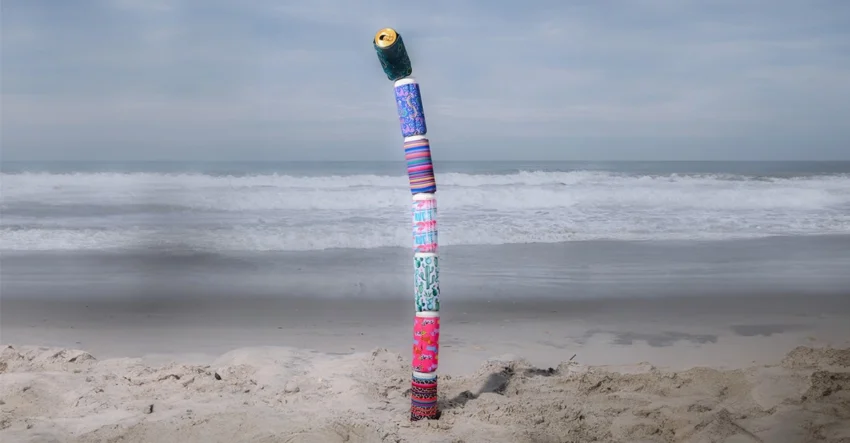
Until recently, cocktails were seldom seen at baseball stadiums, where beer was the primary choice due to its ease of access. However, during a recent Memorial Day weekend at Wrigley Field, canned cocktails such as mai tais and margaritas were available for fans, marking a significant change in drinking culture at sporting events.
Drinks from brands like Cutwater, which produces canned cocktails, have gained massive popularity. In 2025 alone, Americans consumed nearly 11 billion servings of ready-to-drink cocktails. These cocktails can easily be found at major retailers like CVS, Walmart, and Trader Joe’s, with a four-pack costing around $12.
The rise of canned cocktails is attributed to the success of malternatives—fruity, portable drinks that resemble beer but have a distinct flavor. Unlike earlier alternatives that failed to capture the market, drinks like White Claw and others gained traction in the late 2010s, appealing to consumers seeking lower-alcohol options. However, the newer canned cocktails have a higher alcohol content that ranges from 7% to 15%, contrasting sharply with the 5% of earlier alternatives.
Despite beer sales still overshadowing that of canned cocktails, the latter segment has emerged as a rare success story in a challenging alcohol market. Sales of premixed cocktails surged by 40% in 2025 as beer sales declined. This rise comes at a time when liquor laws are gradually changing; several states have started allowing the sale of canned cocktails in more locations, similar to beer sales.
Interestingly, the American market’s embrace of these higher-alcohol drinks comes as more individuals identify as non-drinkers. Nevertheless, many still indulge, often seeking affordable beverage options in a time of rising costs. Canned cocktails deliver on both convenience and cost-effectiveness, which seems to attract a growing demographic.
This trend presents a concern regarding consumer awareness, as some individuals have reported unintended intoxication after consuming these cocktails. Online posts have highlighted incidents of binge drinking linked to brands like Cutwater, often leaving drinkers surprised by their level of inebriation. While the alcohol content is labeled, the perception of these products, especially among younger drinkers accustomed to lower-alcohol seltzers, may lead them to underestimate their consumption.
Ultimately, the shift toward canned cocktails signifies a complex evolution in drinking practices, where enjoyment meets convenience, though sometimes at the expense of moderation. The catchy packaging and enticing flavors target a demographic eager to share their experiences online, blurring the lines between casual enjoyment and binge drinking.