
As the world rebounds from the pandemic, travel costs are on the rise, driven by inflation and increased demand. Insights from industry experts reveal the nuances behind escalating prices for flights, accommodations, and new tourist taxes that may soon emerge.
Why Are Flights More Expensive?
Recent tax policies in the UK and other nations have contributed to higher airfare costs. The UK government plans to increase air passenger duty by approximately 15% for passengers over 16 starting in 2026, with mid- and long-haul flights seeing substantial increases in taxes. France is also looking to triple its aviation tax while Denmark plans to introduce a new flight tax in 2025. These taxes, although paid by airlines, ultimately lead to increased costs for travelers.
Furthermore, production issues with airlines, such as the grounding of certain Boeing jets over safety concerns and a shortage of components for Airbus airplanes, have created delivery delays, reducing the supply of new aircraft. This shortage contributes to higher prices as demand outstrips supply.
The Green Transition’s Impact
By 2027, new environmental regulations will require airlines in member states to mitigate their carbon emissions. Fuel suppliers will need to incorporate sustainable aviation fuel into their offerings, ramping up from 2% in 2025 to 70% by 2050. While these changes may lift operational costs, experts suggest that the overall impact on ticket prices will be modest and largely driven by supply and demand dynamics.
Rising Hotel Prices
The phenomenon known as "revenge travel," characterized by consumers eager to travel post-COVID, has significantly increased demand for hotel rooms. Additionally, factors like currency fluctuations, government regulations limiting short-term rentals, and rising operational costs have exacerbated the situation in popular destinations.
Despite predictions for continued hotel price hikes in 2025, a surge in new hotel construction is expected. Over 2,700 new hotels are set to launch by the end of 2025, likely helping stabilize room rates after the initial increase.
Additional Costs for Travelers
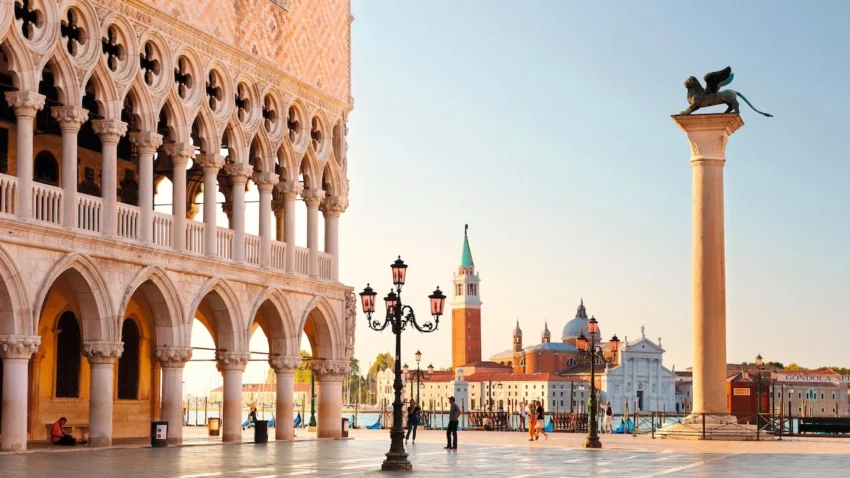
Tourist taxes are becoming commonplace, with countries like Thailand planning to implement them by mid-2025. Venice recently increased its day-tripper tax, signaling a trend towards higher costs for visitors. Moreover, the EU is set to launch the European Travel Information and Authorisation System (ETIAS) in 2025, which will involve a fee of €7 every three years for travelers accessing EU countries.
As travel expenses continue to climb, understanding the reasons behind these increases can help travelers plan and budget for their future adventures more effectively.