
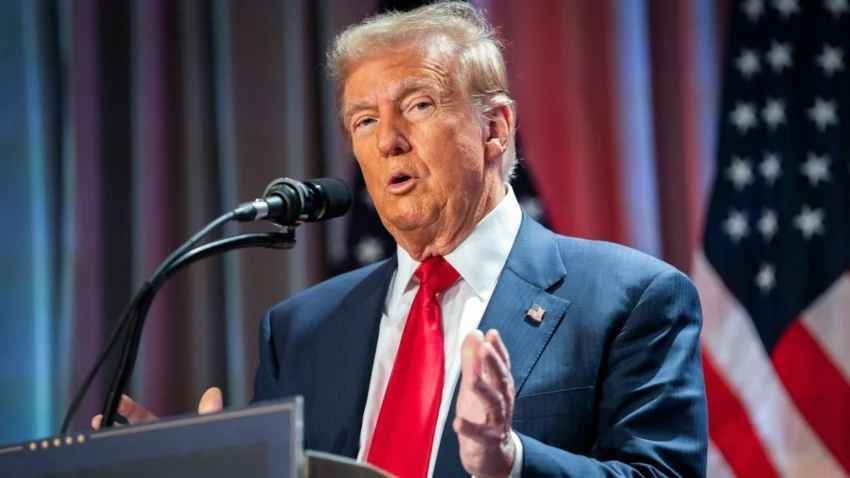
President-elect Donald Trump is set to return to the White House, and his upcoming term could lead to significant changes in the travel industry. Experts are divided on the implications of his presidency for travel costs, with some optimistic about potential benefits, while others express concerns about rising prices.
A major factor is the ongoing global conflicts, particularly in Ukraine and the Middle East. Elad Schaffer, CEO of Faye Travel Insurance, points out that success in resolving these conflicts could drive down travel costs and increase international travel. This could also improve the financial performance of travel-related stocks, as seen in the rising shares of companies like Expedia and United Airlines since the election.
However, Trump’s historical reliance on tariffs raises concerns about increased travel costs. Nick Burgess, editor of Trip Trend Setters, highlights that tariffs could lead to higher expenses for both domestic and international travel, impacting everything from hotels to general travel costs.
Additionally, tighter visa policies enacted during Trump’s first term are another point of concern. Joe Cronin, president of International Citizens Insurance, argues that such restrictions might discourage foreign tourism, making travel less accessible and more costly.
Trump’s previous policies also caused volatility in currency exchange rates, which could further complicate travel costs. While a stronger dollar may benefit American travelers abroad, it can lead to unfavorable rates for U.S. tourism.
In summary, experts advise travelers to remain vigilant about the potential shifts in costs associated with Trump’s presidency, particularly around tariffs, visa policies, and international relations. The outlook remains uncertain as stakeholders assess how Trump’s policies may reshape the travel landscape.