
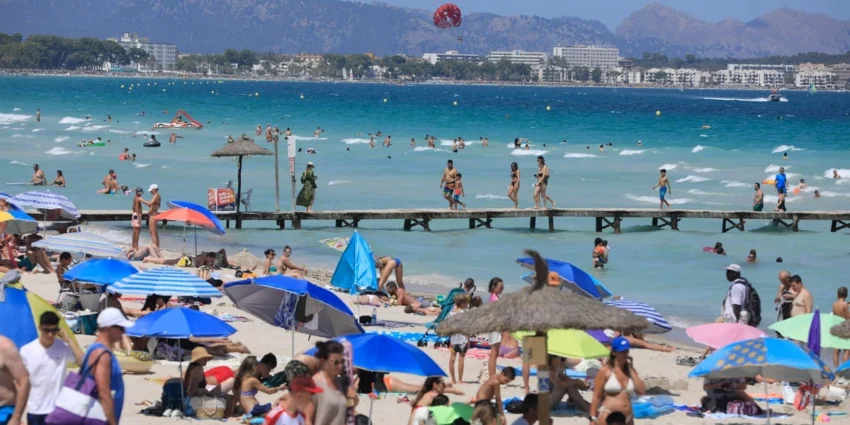
International tourist arrivals are on the rise in early 2024, nearing pre-pandemic levels, but this surge has led to increasing concerns about overtourism. Historic cities and popular beach destinations are experiencing overwhelming crowds, contributing to environmental degradation and rising tensions among locals.
Fodor’s has released its 2025 "No List," which highlights destinations that are struggling to manage the impact of mass tourism. This list, aimed at provoking awareness rather than advocating for travel boycotts, calls attention to locations where sustainable tourism practices are urgently needed.
Bali, Indonesia, is grappling with the consequences of millions of tourists annually, including significant plastic pollution. In response, Indonesian authorities have halted new hotel constructions to combat overtourism.
Barcelona faces similar challenges, with tourism driving up housing costs and instigating protests from locals frustrated with the consequences of mass tourism. Efforts have been made to regulate short-term rentals in the city.
In Mallorca, local protests against overtourism have escalated, as residents express concerns about affordability and quality of life on the island. The Canary Islands are also witnessing protests, prompting officials to consider new regulations for rental properties.
Venice has imposed fees for day-trip visitors and limits on large tourist groups to manage the overwhelming number of visitors that have disrupted daily life in the city. Lisbon and Koh Samui, Thailand, have also reported similar strains from tourism, exacerbating local housing crises and environmental challenges.
Mount Everest, despite its remote location, is not immune to the impacts of tourism. Litter and overcrowding have become common issues, prompting local stakeholders to take action.
In Sicily’s Agrigento, the tourism sector faces a potential double impact as it braces for more visitors while managing a water crisis. The British Virgin Islands are struggling with high visitor numbers from cruise ships without adequate resources to accommodate them.
Kerala, India, is dealing with the environmental fallout from tourism, worsening issues like pollution and deforestation. In Kyoto, Japan, city officials are taking measures to prevent tourist disruptions, especially in sensitive cultural areas.
Oaxaca, Mexico, has seen a significant influx in tourism, leading to gentrification and displacement of local residents. The North Coast 500 route in Scotland is also struggling with increased traffic and improper camping practices among visitors.
Fodor’s list aims to raise awareness about these pressures and encourages tourists to be more mindful of their impact on these vulnerable destinations.