
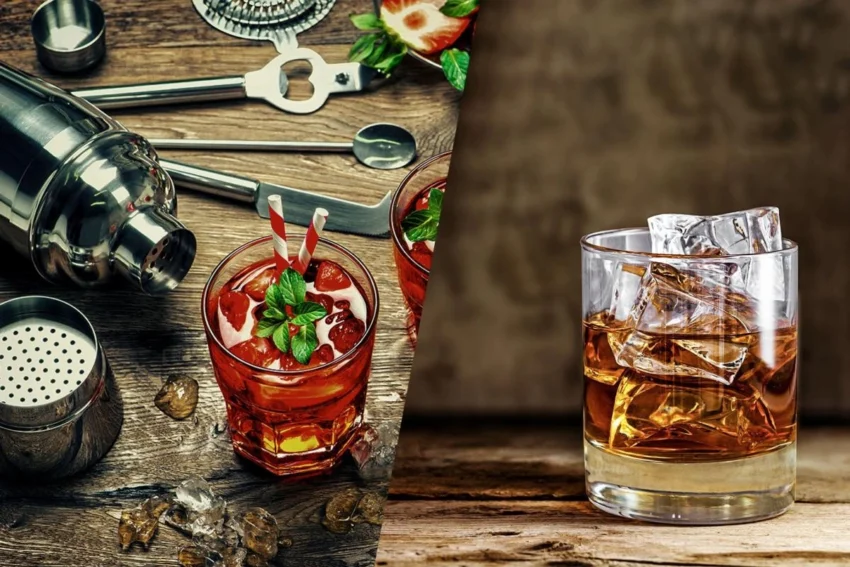
The bartender approached and casually placed a napkin in front of me, a gesture that signified the comforting ritual of bar hospitality. I felt a familiar twinge of hesitation but was determined to test the waters. Instead of the usual cocktail, I ordered, “Dry vermouth on the rocks, please,” feigning confidence.
To my surprise, he responded without a pause. “Is Noilly Prat okay?” he asked, pouring the clear liquid into a glass. I was left with a solitary glass of aromatized white wine, something I had never tasted solo before.
As I took my first sip, it struck me—this was like biting into an underripe grape, complete with a hint of sea salt and bitterness from the herbs. The profound difference in flavor revelation hit hard. In a martini, I had never fully appreciated what vermouth brought to the mix. This experience made me realize how often cocktails dilute the intrinsic qualities of their ingredients, overshadowing them under layers of mixers and garnishes.
Over recent decades, cocktails have overtaken an increasingly large share of beverage sales. Bars are bustling with expansive cocktail menus, and since 2000, spirits have gained a 13% market share, outperforming even beer. The rise of craft cocktails has come with its benefits for bar owners due to lower pour costs, translating to higher profits. However, for consumers, the price of cocktails often comes with a diminished appreciation for the individual components. While ordering a boulevardier may appear appealing, one loses the essence of savoring bourbon neat.
François Monti, a Madrid-based beverage writer, highlights that vermouth’s recent surge, still primarily regarded as a cocktail ingredient, originally served as a standalone drink. In Mediterranean culture, vermouth is celebrated straight or paired with small bites, making it a drink that completes the dining experience. “Drinking without food doesn’t make sense in the Mediterranean,” Monti notes, emphasizing the culinary heritage woven into each pour.
Despite its burgeoning popularity, mixers have overshadowed the opportunity to enjoy such spirits straight. The mixology trend, while elevating the bar scene, risks neglecting several worthy drinks, entrenching cocktails as the primary way to enjoy spirits in bars. There is an irony in cocktail-centric establishments being celebrated globally, notwithstanding the presence of magnificent beer, wine, and traditional spirit bars everywhere.
Even the prestigious World’s 50 Best Bars list leaves out non-cocktail bars, inadvertently reinforcing the perception that cocktails are the pinnacle of drinking etiquette. Monti asserts, “There’s no rule against including other styles; it just has a cocktail connotation now.”
I’ve frequented cocktail bars and appreciated their craft, but some of my most memorable experiences have been in niche locations appreciating drinks that highlight local traditions, presenting a broader spectrum of taste and history.
Critical acclaim extends to venues that offer a diverse selection of beverages—from nonalcoholic options to wines and spirits—recognized for their intricate pairing with meals. Exceptional bars respect the origin of their ingredients, presenting drinks that embody the salon experience.
As the current drinking culture saturates our understanding with dazzling cocktails, perhaps we should reconsider. Next time, when seated at the bar, take a moment to shake things up: request a neat pour instead of a mixed concoction. Explore standalone liquids that embody distinct flavors—discover what each element has to offer.