
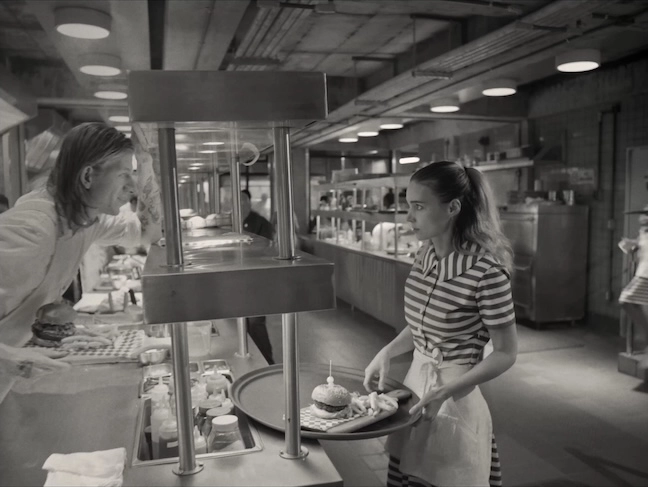
La Cocina presents a cinematic glimpse into the lives of undocumented immigrants toiling in a bustling New York kitchen, drawing inspiration from Arnold Wesker’s acclaimed 1957 play, The Kitchen. Directed by Alonso Ruizpalacios, the film unfolds within The Grill, a posh eatery in Times Square, reminiscent of mid-century charm.
The narrative centers on Estela (Anna Diaz), who seeks work in the kitchen, connected to an impassioned chef named Pedro (Raúl Briones). Their relationship intersects with Julia (Rooney Mara), a waitress grappling with uncertainty regarding her future with Pedro. Tension simmers as personal conflicts ignite amidst a backdrop of diverse kitchen crew, where issues of nationality and illegal immigration take the spotlight.
The film captures the chaotic energy of the culinary world, suggesting deeper themes of exploitation and inequality. The storyline thickens when over $800 disappears from the night’s earnings, leading to suspicion among staff. While Ruizpalacios attempts to blend realism with surrealist elements—highlighted by a chaotic service scene—some of the experimental moments haven’t quite landed as effectively.
La Cocina, with its striking black and white visuals contrasted by brief bursts of color, has garnered mixed responses from audiences. Its portrayal of immigrant struggles resonates within current socio-political dialogues; however, a lengthy runtime and excessive plot twists may detract from its overall impact. Unlike popular cooking dramas that feature mouthwatering dishes, La Cocina provides a stark focus on the human experience rather than the food itself, which may alienate those looking for culinary glamour.
In the end, while it endeavored to deliver a potent message about the immigrant experience in America, it leaves viewers craving a more succinct and engaging presentation.
For further reading: