
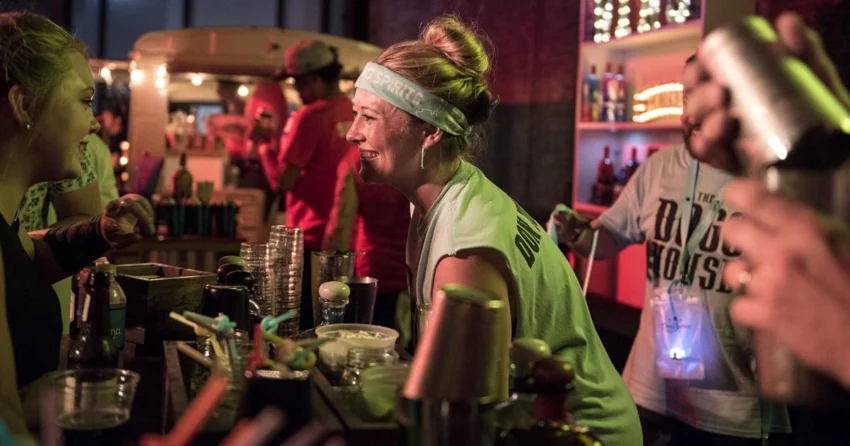
As Tales of the Cocktail begins in New Orleans, the bar industry is grappling with significant changes. Originally a small bar-hopping event in 2002, it has transformed into a sprawling multi-day conference featuring around 390 events, including educational seminars and tastings from over 230 brands. This year’s theme, "Evolve," highlights the urgent need for the industry to adapt to modern challenges.
The conference draws an estimated $24 million into the local economy, benefiting numerous small businesses. However, shifts in technology, social dynamics, and economic pressures underscore the theme’s significance this year. Panels will discuss crucial topics like AI, diversity in the workforce, and the impact of recent societal changes on the bar scene.
Neal Bodenheimer, owner of Cure and a board member of Tales of the Cocktail, emphasizes the need for evolution in how bars operate. They reflect larger societal trends and economic conditions—if costs rise, so do drink prices, and when the economy dips, bars still attract patrons, albeit with lower profit margins.
The interplay between cultural shifts and the bar’s role as a community hub has deep roots in American history. Bars have historically served as meeting places for discussions and celebrations and have influenced cultural movements, from jazz to rock and roll.
Recent challenges for the industry compound this rich history. Since the pandemic, bars have faced difficulties, including a lack of new workers as fewer young adults entered the hospitality industry. Shifting drinking habits also present a new dynamic, with younger generations often favoring non-alcoholic options or socializing differently due to technology and the pandemic’s long-lasting effects.
The ongoing political climate, particularly under recent leadership, has further strained the industry, leading to recruitment issues and rising costs. Changes in immigration policies and tariffs threaten to raise prices for essential goods and disrupt the labor force that keeps bars and restaurants running.
Adding to these pressures is the decline in New Orleans’ population, which negatively impacts local businesses. The city has lost nearly 4% of its population, primarily due to climate-related issues and political decisions. This demographic shift dwindles the customer base that supports bars and restaurants.
Despite these setbacks, industry leaders like Bodenheimer and consultant Mark Schettler argue for the importance of community gathering spaces where collective challenges can be addressed. The focus of this year’s Tales of the Cocktail is not just on cocktails but on fostering community, discussing important societal themes, and uniting in the face of adversity.
These discussions are crucial as the hospitality industry continues to adapt, reflecting both the challenges and triumphs of life in New Orleans. The vitality of bars as community spaces means it’s essential for patrons to support them, especially during these uncertain times.