
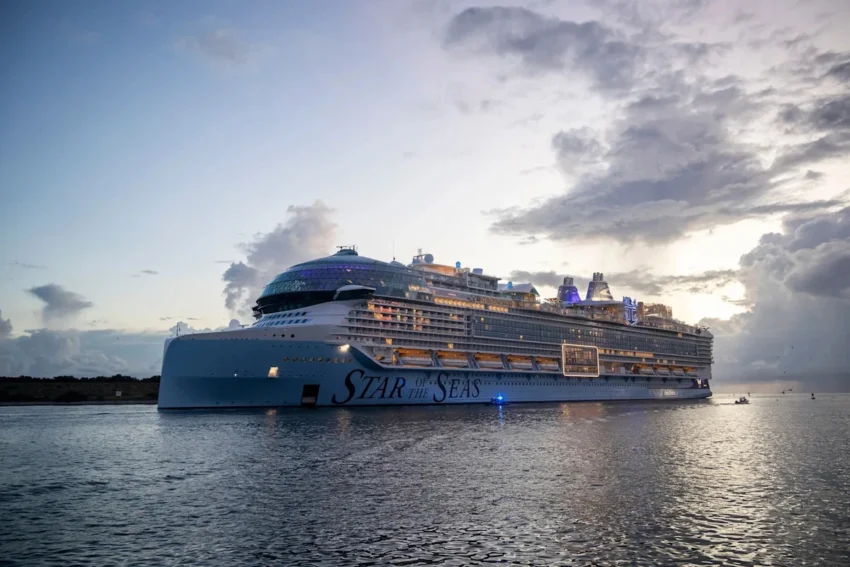
Cruise travel is experiencing a significant surge in demand, with record-breaking bookings and new ships setting sail. Recent highlights in this booming sector include the Royal Caribbean’s unveiling of the Star of the Seas, which is recognized as the world’s largest cruise ship alongside its sister vessel, the Icon of the Seas. This massive ship offers an array of amenities, including 20 decks, 40 dining options, and exciting features such as an on-board waterpark and a musical inspired by the classic "Back to the Future."
According to cruise expert Stewart Chiron, this unprecedented interest in cruise vacations is attributed to the industry’s recovery following the disruptions caused by the COVID-19 pandemic. Current bookings have surpassed previous records, with many travelers opting for cruise experiences over traditional hotel stays, especially with hotel prices on the rise.
As cruising becomes more popular, some destinations, including Hawaii, are implementing new visitor fees to tackle overtourism and environmental concerns. Starting next year, Hawaii will introduce a tax on cruise ship passengers based on their port days, a decision that has already been challenged in court by the Cruise Lines International Association (CLIA). Critics argue that the new fees could deter travelers from visiting Hawaii altogether.
Cruise lines are responding to burgeoning demand by expanding their offerings and creating unique experiences at various destinations. The trend suggests a competitive landscape where cruise companies are focused on enhancing passenger satisfaction and optimizing their itineraries.
For those looking to explore the sea this year, the cruise industry promises a blend of grand ships, diverse experiences, and a chance to enjoy stunning global destinations—albeit with some potentially increased costs in the process.