
CHONGQING, China — In a significant public health response, southern China has been battling an unexpected outbreak of chikungunya fever, a disease transmitted through mosquito bites. Since July, the province of Guangdong has reported over 10,000 cases, marking the largest outbreak in the country on record. Foshan, a densely populated manufacturing hub, has faced particularly severe challenges, peaking with more than 600 new infections daily.
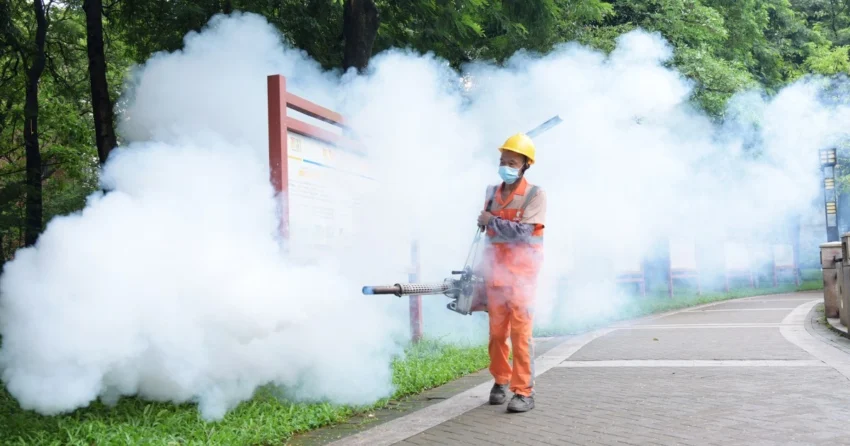
The situation has prompted authorities to implement containment measures reminiscent of the strict tactics employed during the Covid-19 pandemic. The strategy has been characterized as a “detect and eliminate” approach, which involves regular insecticide spraying in affected areas and strict reporting requirements for potential cases.
Health officials indicated that the outbreak was exacerbated by warmer temperatures and a virulent strain of the chikungunya virus. Global warming has been contributing to the emergence of other mosquito-borne diseases, such as dengue and malaria, further complicating public health efforts.
Globally, 270,000 cases of chikungunya have been reported this year, leading to at least 110 deaths across various regions including the Americas and Europe. Although the U.S. has not seen locally transmitted cases since 2019, the Centers for Disease Control and Prevention (CDC) issued a travel warning, advising enhanced precautions for travelers in areas impacted by outbreaks.
Chikungunya, first identified in Tanzania in 1952, primarily circulates in the Americas, Africa, and Asia. Symptoms include debilitating joint pain, muscle pain, headache, and fatigue. While it is rarely fatal, the illness can result in long-lasting health issues. Prevention remains a key focus as there is no specific antiviral drug for chikungunya; it is crucial for individuals traveling to affected regions to employ preventive measures against mosquito bites.
In China, where chikungunya is not typically prevalent, controlling the current outbreak has involved extensive public health measures, including grassroots efforts to eliminate mosquito breeding sites. Citizens are legally required to comply with health directives, and regulations are enforced. However, some express concerns that these measures are excessive, pointing to the balance required between effective health responses and civil liberties.
As local authorities maintain vigilance, the outbreak in Foshan has shown signs of stabilization, with daily new cases falling below significant thresholds. Experts continue to emphasize that climate change remains a major hurdle, creating conducive environments for diseases transmitted by vectors such as mosquitoes.
In summary, while exceptional measures have brought some control to the chikungunya outbreak in China, the overarching challenge posed by climate change looms, requiring ongoing adaptation to prevent future epidemics.