
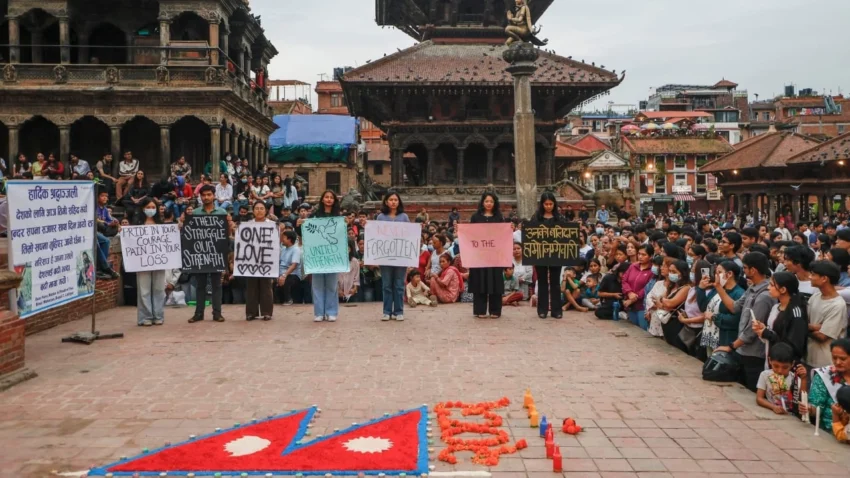
After experiencing a period of political unrest and protests, Nepal is assuring the world that it has regained stability and is ready to welcome travelers once again. The tourism sector, vital to the nation’s economy, suffered due to recent tensions, but officials and citizens are now clearly communicating that Nepal is open for business.
In a push to reinforce this message, many young Nepalis have taken to social media to clarify that the protests were directed solely against the government and posed no threat to tourists. Social media accounts, such as Routine of Nepal Banda, which boasts over a million followers, have even posted images of foreign tourists enjoying themselves and encouraged visitors to explore the country’s beauty.
The Nepal Tourism Board (NTB) issued a press release on September 13, reinforcing the notion that peace and normalcy have returned across the country. Their statement highlighted the formation of a new interim government, led by Nepal’s first female Prime Minister, Sushila Karki. As a result, daily life is resuming its normal rhythm, with businesses and public transit operating as usual. Key tourist destinations, hotels, and restaurants are back in operation, and the NTB has declared: “Nepal is now safe, peaceful, and ready to host visitors from around the world.”
Despite this positive outlook, caution remains for travelers from India. The Indian Ministry of External Affairs (MEA) has not yet lifted its advisory issued on September 9, which advises citizens to postpone travel to Nepal until the situation stabilizes. The advisory also recommends that Indian nationals currently in Nepal should remain safe, avoid public gatherings, and stay updated with local authorities and the Indian Embassy in Kathmandu.
While Nepal is eager to bounce back and assures tourists of their safety, travelers should continuously monitor the latest advisories before planning their trips. The spirit of resilience within Nepal’s tourism sector, bolstered by the unique attractions it offers, indicates its potential to recover as one of Asia’s most captivating travel destinations.