
The rise of artificial intelligence (AI) is rapidly transforming the travel industry, significantly impacting employment within the sector. As companies strive for increased efficiency and profitability, many are turning to automation, resulting in substantial job losses. According to Challenger, Gray & Christmas, over 48,000 job cuts in the U.S. this year were directly attributed to the implementation of AI technologies.
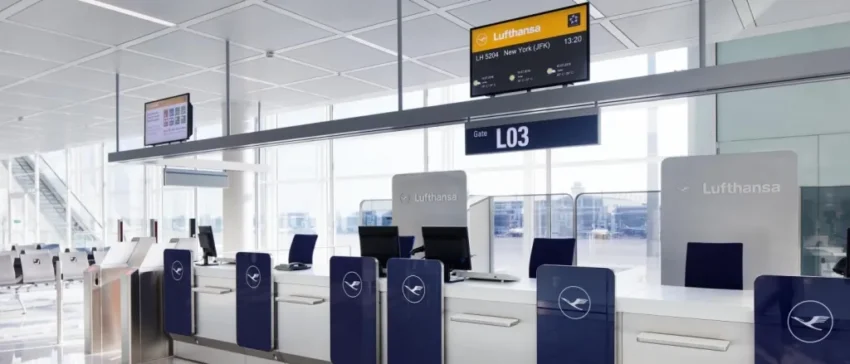
Prominent travel companies like Lufthansa Group, United Airlines, and Tripadvisor have openly acknowledged AI as a factor in their layoffs. Others may not explicitly mention AI but use terminology like "efficiency," "streamlining," and "restructuring," suggesting a shift towards automation while also planning to reinvest the savings from workforce reductions into AI capabilities.
This trend is raising concerns among industry leaders about the future of entry-level positions in the travel field. The growing reliance on AI may erode opportunities that traditionally employed a significant portion of the workforce. In response, some companies are focusing on retraining their staff, aiming to develop skills in AI technologies instead of relying solely on new hires.
As the travel sector adapts to this technological evolution, the implications for employees and the future workforce remain critical points of discussion. The challenge lies in integrating AI while ensuring that job opportunities are preserved and that the workforce is adequately prepared for a changing landscape.