
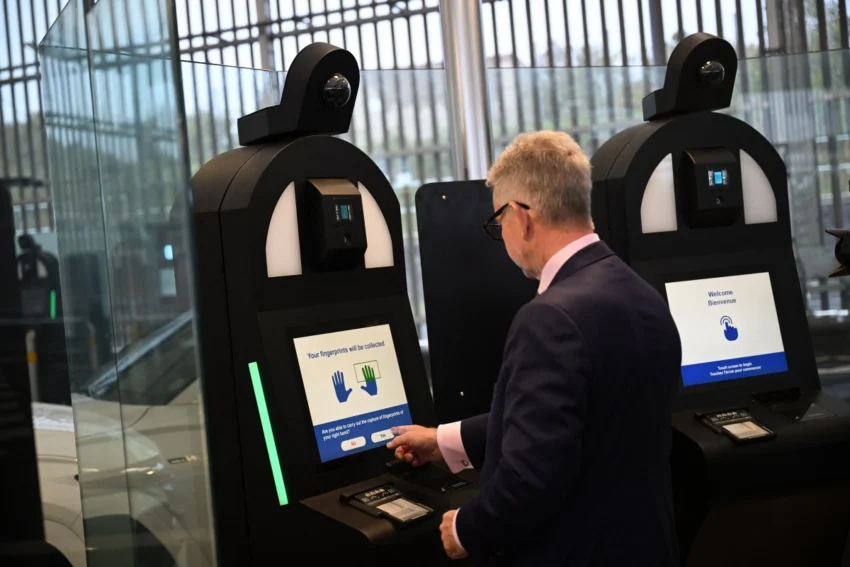
Americans planning to travel to Europe will encounter significant changes at border crossings starting April 10, 2026, as the European Union fully implements its long-awaited Entry/Exit System (EES). This new system will replace traditional passport stamps with biometric verification, including facial scans and fingerprints.
The phased rollout of the EES began in October 2025, and by April 10, it will be operational at all external borders across 29 Schengen countries, including France, Germany, Spain, and Italy. The purpose of the EES is to create a centralized digital record of travelers’ entry and exit, aiming to enhance border security and immigration enforcement.
Key Changes to Expect:
- Biometric Data Collection: Instead of passport stamping, border officials will now gather fingerprints, facial scans, and other personal travel data.
- Who Is Affected: The EES applies to all non-EU travelers, including U.S. citizens, who are visiting participating countries for short stays of up to 90 days within any 180-day period.
- Entry Process: Travelers entering the EU through the UK will complete their EES registration there, with no biometric data collected in the U.S.
Implications for Travelers:
- Increased Wait Times: Travelers can expect longer waiting periods, particularly during busy travel seasons, as first-time visitors are registered into the system.
- Preparation Tips: Experts recommend allowing extra time at border crossings, ensuring passports are valid, and being ready for biometric screenings.
While most EU countries will implement the EES, Ireland and Cyprus will continue using manual checks, so travelers to those destinations will not experience these changes.
For those embarking on European travels from April 10, the transition to a modernized border control system signifies both an enhancement in security and initial delays that will likely diminish over time as travelers become accustomed to the new procedures.