
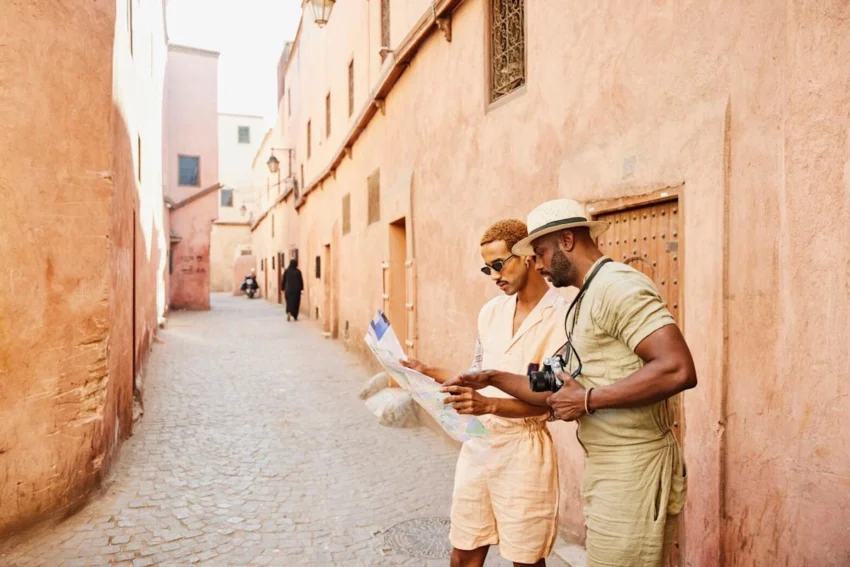
Ancestry travel is emerging as a significant trend for 2026, particularly for Black travelers. According to Condé Nast Traveler, there is a growing interest among travelers for more than just picturesque hotels and busy itineraries; they seek deeper connections, family histories, and a sense of belonging to the places they visit. For Black travelers, the significance of this kind of travel is intertwined with a complex history marked by slavery, forced migration, and colonial disruption, which often leaves gaps in family lineage.
A person’s journey might begin with DNA results, family stories, or research involving place names, evolving into a personal exploration of identity and history. As interest in personalized trips rises, Black travelers are increasingly influencing the growth of ancestry travel.
Access to genealogy platforms and DNA tools has simplified the process of finding familial origins, enabling travelers to prepare for their trips well in advance. Companies like Ancestry and African Ancestry provide resources that help users trace their roots back to specific countries and ethnic groups in Africa. This level of detail transforms a vague desire to visit African countries into a purposeful journey about reconnecting with specific communities tied to one’s heritage.
The nature of trips is also changing. Instead of generalized heritage vacations, many travelers now aim to create itineraries that include visits to archives, memorials, local guides, and cultural institutions, enhancing their understanding of their ancestors’ pasts and providing a context for current society.
Countries are increasingly recognizing and facilitating this travel trend, with Ghana leading the way. Following the Year of Return, which marked 400 years since the arrival of enslaved Africans in Jamestown, Ghana launched the Beyond the Return initiative to foster long-term engagement with the African diaspora. This strategic approach allows Black travelers to explore important historical sites while also engaging with the vibrant contemporary cultural landscape.
As the demand for personalized and culturally rich travel experiences grows, ancestry travel is expected to flourish, particularly among Black travelers in 2026. This evolving travel trend promises not only to address historical and cultural explorations but also to offer emotional and educational experiences that allow travelers to position themselves within a larger narrative that spans generations and continents.
For further reading, check out the original Condé Nast Traveler article and information about the Beyond the Return initiative.