
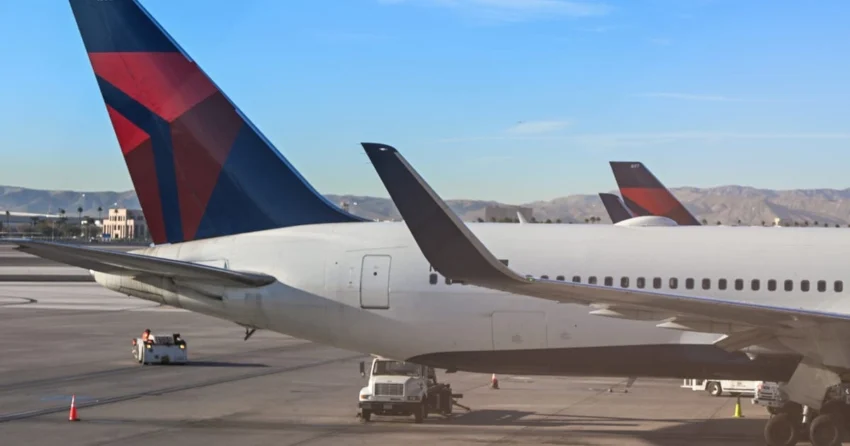
Summer travel is facing significant challenges this year due to the ongoing conflict in Iran. As prices at the pump escalate, average airfare has increased by 15% compared to last year, and experts warn that this trend is likely to continue if the critical Strait of Hormuz remains obstructed. Higher jet fuel prices, which have nearly doubled since the onset of the conflict, are impacting airlines and travelers alike.
Airlines are not only raising ticket prices but also increasing additional fees to manage costs associated with surging fuel prices. Major carriers like Alaska, Delta, United, American Airlines, Southwest Airlines, and JetBlue have all adjusted their checked baggage fees recently. Furthermore, Air Canada has announced a temporary suspension of its service to New York’s JFK Airport due to high jet fuel costs.
In Europe, the situation is particularly precarious, with several countries now facing critically low jet fuel reserves—some are reported to have less than 20 days’ supply. Should this supply diminish further, it could lead to flight cancellations and significant price hikes for remaining available flights. Experts express concern over more frequent schedule changes, fewer low-fare options, and a move toward later booking patterns as travelers navigate the uncertainty during this summer season.
The conflict’s toll on airlines is also putting budget carriers like Spirit Airlines at risk. Reports indicate the airline is contemplating liquidation due to the financial strain caused by rising jet fuel prices, which pose a serious threat to its plan to exit bankruptcy. If Spirit Airlines ceases operations, customers who have purchased tickets may find themselves at the end of the line for reimbursements, as creditors will be prioritized.
Travelers are being advised to stay informed of the fuel-related disruptions and consider alternative travel plans as this situation unfolds.
For more information on the ongoing situation in Iran and its impacts on travel, you can check out the Iran war updates.