
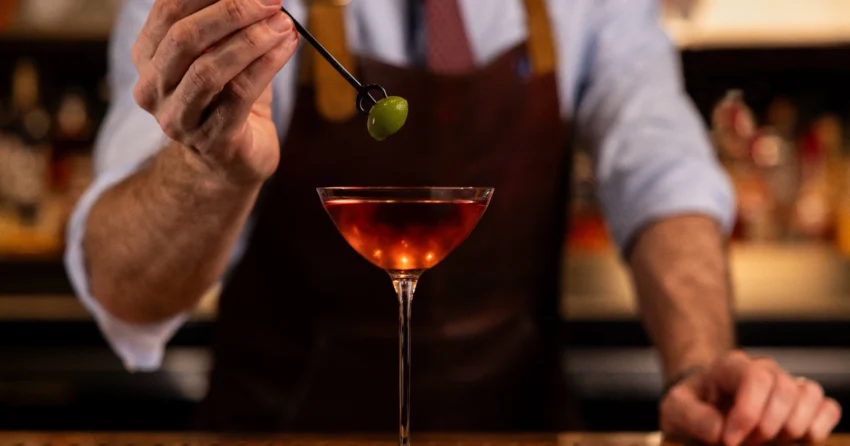
As the cost of cocktails soars to over $30, many consumers are opting to drink less or stay home. This trend is particularly evident in high-profile venues like the Waldorf Astoria New York, where the upscale Devil’s Martini, priced around $36, exemplifies the premium pricing often seen at elite bars. This trend isn’t confined to New York; major cities like Los Angeles and Chicago are experiencing similar price hikes, with typical cocktails easily costing over $20.
Recent surveys indicate that rising costs are reshaping consumer behavior, with a notable decline in alcohol consumption. Gallup reported that only 54% of U.S. adults consumed alcohol last year, the lowest level in nearly a century. Notably, for young adults, this figure dropped from 59% to 50% in just two years, highlighting a significant shift in drinking habits.
Financial considerations play a crucial role in this trend. A Zappi survey revealed that approximately 38% of respondents are now drinking at home more frequently to save money, while 40% noted that alcohol prices influence their decisions to dine out. The survey also found that 27% of drinkers pre-drink before going out, making it clear that many view pre-gaming as a strategy to avoid high tab prices.
In terms of specific cocktail prices, the average cost of a Manhattan is around $16.07, though this is subject to variations by location. Technomic’s data highlights that while the price of some cocktails like the Old Fashioned has seen minor declines, others such as the martini have increased by nearly 8% over the past year.
To counteract declining alcohol sales, many bars and restaurants are adapting their strategies. Chefs and owners argue that the focus should be on creating memorable experiences rather than simply selling drinks. For instance, establishments are starting to offer cocktail flights and immersive tasting experiences that cater to consumers’ preferences for a unique outing rather than merely affordable drinks.
Restaurants are responding with offers such as "Happy Hours" featuring discounted cocktails to attract patrons. This shift necessitates that establishments not only compete with other bars but also with the comfort of home, making it imperative to enhance the overall dining experience.
Overall, as cocktail prices continue to rise, the landscape of bar culture is evolving, pressing restaurants and bars to innovate in order to entice consumers back into their establishments.