
The New York Times began its journey into restaurant reviews in 1859 with a piece by an anonymous critic known only as “the Strong-Minded Reporter of the Times.” This review recounted an impressive dining experience that included a bottle of Veuve Clicquot at the Astor House and Clos Vougeot at Delmonico’s. Over the years, the newspaper has featured various prominent food critics like Ruth Reichl and Craig Claiborne, cultivating a reputation for credible restaurant reviews.
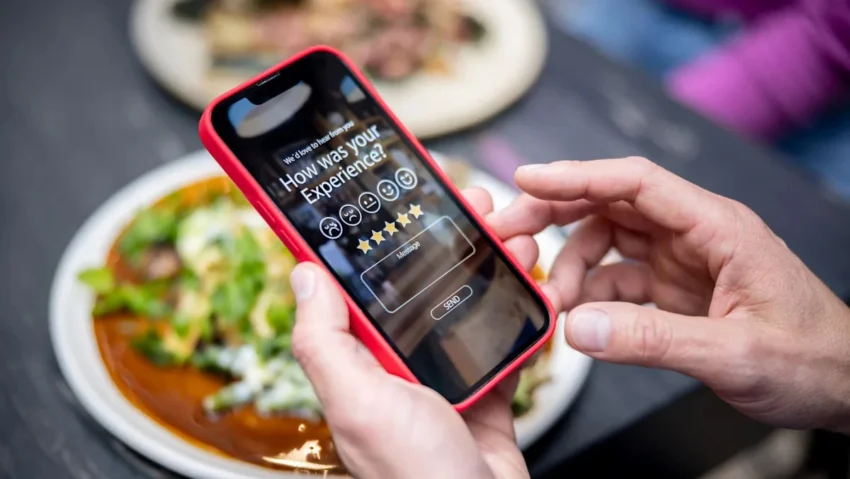
In contrast, modern diners often rely on platforms like Yelp or Google Reviews, which open the floor to all opinions, yet come with significant pitfalls. Unlike traditional journalism, there are no overarching editorial standards on social media and review platforms. Brands sometimes engage influencers to promote their establishments; while this isn’t innately deceptive, it can obscure the authenticity of the reviews.
Research indicates that approximately 16% of reviews posted on Yelp can be fraudulent, according to a 2015 Harvard Business School study. Potential red flags for identifying these fake reviews include overly generalized comments lacking restaurant-specific details, suspiciously similar positive or negative reviews, and accounts that showcase minimal activity beyond the restaurant in question.
To navigate this landscape, foodie enthusiasts are encouraged to seek insights from professional critics, who often provide context through their extensive experience dining at various establishments. Longtime critic Ryan Sutton, for example, has transitioned to his own platform, The Lo Times, illustrating the shift from print to digital in the food criticism realm.
For savvy diners, discerning genuine reviews involves looking for established critics and being wary of common signs of deceit in user-generated content. Recognizing the motivations behind reviews can empower consumers to make more informed dining decisions.
Read more insights about restaurant reviews on Mashed.