
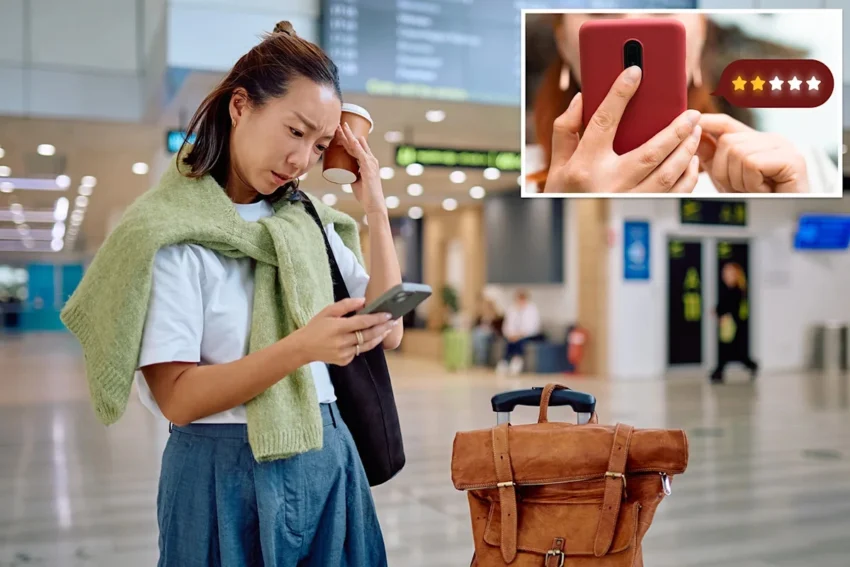
Before you close your laptop and pack your bags for summer vacation, be aware that travel scams are on the rise. Research by McAfee reveals that over one-third of Americans have encountered travel-related cyber threats, with many losing money, often more than $500. As scammers become increasingly sophisticated—especially with the rise of AI—it’s essential to remain vigilant.
Benji Stawski, a travel writer and personal finance expert, warns that scammers can now create convincing websites and emails very quickly, making traditional red flags like typos less common. He emphasizes that anyone, regardless of intelligence, can become a victim, especially under pressure to secure deals before prices increase.
To help you navigate this summer’s travel season safely, here are some common scams to watch for:
Common Travel Scams
1. Fake travel deals or promotions (15%)
Beware of deals that seem too good to be true, often advertised on social media or through unexpected emails. These promotions may employ countdown timers to create urgency. Always verify prices on official airline or hotel websites to avoid giving your credit card info to fraudsters.
2. Scam booking confirmations or updates (15%)
If you receive unexpected confirmation notifications, they may be scams. Don’t click on links in urgent emails claiming issues with bookings. Instead, check your status directly on the airline or hotel app.
3. Manipulated accommodation listings or photos (15%)
Watch out for hotel listings that look significantly better online than in reality. Look for genuine reviews and utilize third-party platforms like TripAdvisor for verification.
4. Payment requests outside official platforms (11%)
Avoid payment apps like Venmo and Zelle for travel transactions. Legitimate hosts will never request payments outside official channels. If they do, report them immediately.
5. Fake vacation rental listings (10%)
"Ghost listings" often feature stolen images and offer prices that are too low. Always check for reviews and opt for established hosts with verified credentials.
6. Fake airline or hotel websites (9%)
Be cautious of websites that appear similar to well-known brands. Scammers often create sites with slight misspellings in the URLs. Always verify addresses before entering personal information.
7. Customer service impersonation (9%)
If you search for customer service numbers and find unfamiliar toll-free numbers, don’t call them. Instead, use the official contact details from the airline or hotel websites to avoid scams.
By being aware of these scams and exercising caution during your travels, you can increase your chances of having a smooth and enjoyable vacation.