
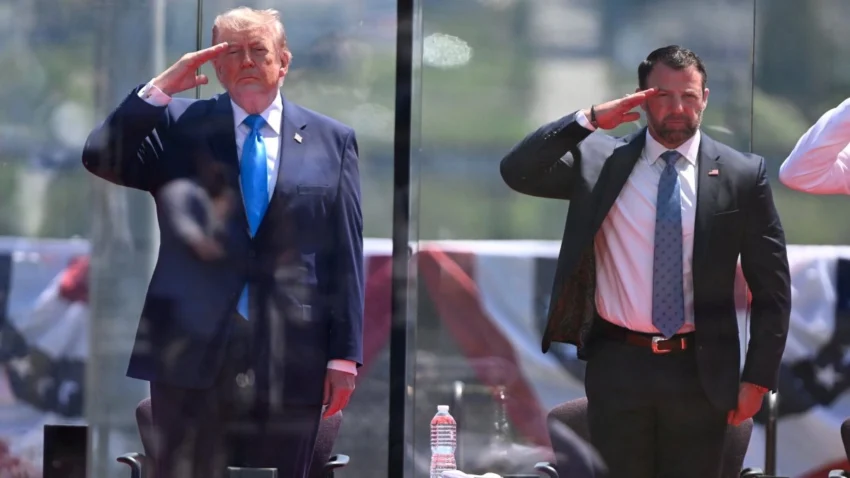
The travel industry is facing growing concerns following remarks from Homeland Security Secretary Markwayne Mullin, who hinted at the potential withdrawal of Customs and Border Protection (CBP) officers from airports located in "sanctuary cities." This move could significantly impact international travel.
During a meeting with the U.S. Travel Association, Mullin reiterated his threat to withdraw these officers, a statement that sparked immediate backlash from both the travel sector and major airlines. The U.S. Travel Association warned that such a decision would have "devastating consequences" for the travel industry and communities that rely on tourism.
Transportation Secretary Sean Duffy also expressed skepticism regarding Mullin’s remarks, emphasizing the importance of maintaining open travel regardless of political views. He noted that restricting air travel based on political disagreements would be counterproductive, especially as political dynamics shift over time.
While it remains unclear how much support Mullin’s position has within the administration, President Trump has previously made threats to withdraw federal funding from sanctuary cities. These cities generally have policies that limit their cooperation with Immigration and Customs Enforcement (ICE). Historically, courts have rejected cuts to funding based on sanctuary jurisdiction status, with decisions made during Trump’s first term in 2017 affirming this stance.
Specific cities and airports potentially affected by such policies have not been disclosed. However, last year, the Justice Department identified numerous jurisdictions classified as sanctuary cities. The Airlines for America trade group has voiced strong resistance, arguing that withdrawing CBP staffing at major airports would disrupt not only the airline industry but also tourism and international cargo flows.