
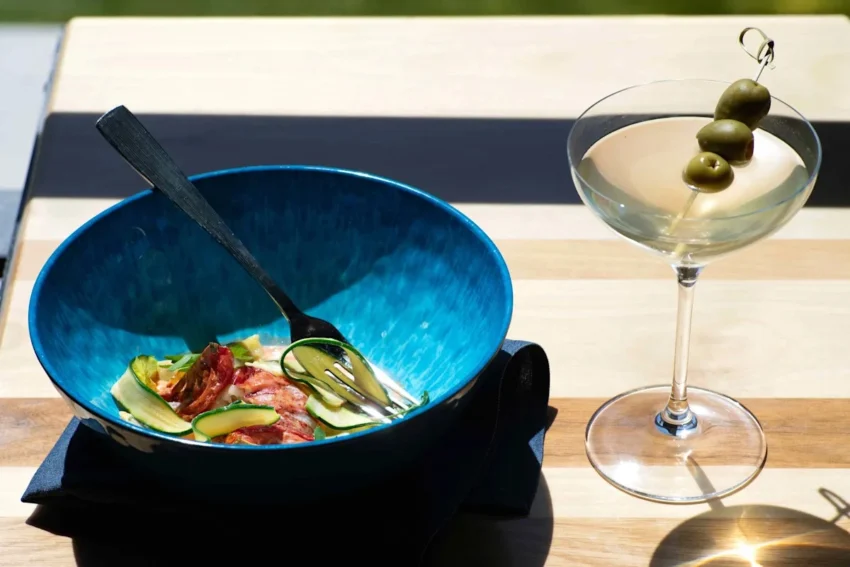
Cocktail pairing has evolved significantly from traditional expectations, where drinks were usually served before or after meals. Today, chefs and bartenders embrace the idea of cocktails complementing every aspect of dining. To help navigate these combinations, award-winning bartender Lynnette Marrero shares her expert insights, emphasizing that contrast is essential in pairing cocktails with food.
Marrero advises against matching cocktails with similar flavors found in dishes. Instead, balancing contrasting tastes enhances the dining experience. For instance, pairing a sweet-tart Margarita with salty nachos or a smoky mezcal drink with chocolate desserts exemplifies this principle. Similarly, cocktails with acidity, like a Sherry Cobbler, can beautifully complement rich foods such as duck.
However, some spirits present unique challenges in pairing. For example, botanically infused gins require careful considerations regarding their flavor profiles. Citrus-forward gins marry well with many foods, but gin varieties with prominent notes like black pepper need more attention to the seasoning of the paired dish. Marrero suggests serving seafood alongside gin or vodka cocktails, including classic options like Martinis.
She also provides surprising pairing suggestions, such as serving prosciutto and melon with a Last Word cocktail, sushi with a French 75, or beef jerky with a beer-based drink. These unexpected combinations can elevate a meal dramatically.
For breakfast and lunch cocktails, Marrero recommends sticking to familiar choices like Bloody Marys, but encourages experimentation within those realms, such as replacing tomato juice with green juice. When lunching, lighter cocktails like Champagne cocktails or Negroni Sbagliatos can provide high flavor without overwhelming.
Marrero also stresses the importance of pre-batching cocktails, especially during multi-course meals, to save time and ensure guests enjoy the evening without the bartender feeling rushed. This can involve preparing spirit-based cocktails in advance and adjusting the dilution before serving, allowing for a smoother hosting experience.
Finally, with the rise of zero-proof cocktails, Marrero emphasizes the importance of using complex flavoring agents such as teas to replicate the depth typically associated with alcoholic drinks. By steeping herbal or caffeinated teas, these can provide an excellent foundation for sophisticated non-alcoholic options.
For more on cocktail pairing, refer to the full guide on Food & Wine.